Get This Report about Shore Protect Team
Table of ContentsThe 9-Second Trick For Shore Protect TeamThe 4-Minute Rule for Shore Protect TeamNot known Facts About Shore Protect TeamThe Single Strategy To Use For Shore Protect TeamThe Main Principles Of Shore Protect Team Shore Protect Team Fundamentals ExplainedFascination About Shore Protect Team
Decrease in building value: As the area tourism is affected by erosion, so then is the economic climate. Purchasers are much less most likely to look for a beach residence that might be destroyed at any minute by the approaching flooding and erosion emergency. Consequently, residential or commercial property value can go down greatly and impact the entire region.Whether a coastline is just small and jampacked or needs to shut totally for the safety and security of the community and nearby residential or commercial properties, this considerably impacts tourism. In turn, local economic climates are influenced (https://tapas.io/shoreprotectteam). Danger of injury: The raised risk of flooding and architectural failures triggers a boosted danger of injury to nearby visitors and neighborhood participants

Coastline stablizing is straight relevant to their work. Beachfront resorts: Because shoreline disintegration impacts tourism, it impacts the success of waterside hotels.
Not known Factual Statements About Shore Protect Team
Coastal business companies: No travelers indicates no service. Coastal state parks: State parks that exist along coasts are at threat of damages.
Soft stablizing is a far better option for the atmosphere and even more sustainable overall. Tough stabilization uses synthetic frameworks as protection to regulate disintegration. Typically, these frameworks are mounted at best angles or alongside quit sand movement and reduce the pressure of waves. The majority of kinds of tough stablizing like seawalls and sheet metal are not optimal for coastline stablizing.
Unknown Facts About Shore Protect Team
There's likewise not nearly enough evidence of their efficiency depending on the kind of coastline and local conditions. Tough stablizing methods have a tendency to be harder to install and don't match the natural aesthetic, protruding like an aching thumb and damaging neighborhood communities in many circumstances. Beach nutrients is the process of adding shed sand and debris back to coastlines after erosion has taken place.
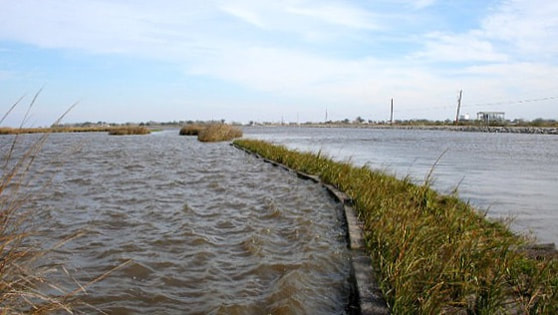
TrapBags aid in the process of coastline nourishment by safeguarding natural environments and allowing plants to grow. While this process can be expensive and is not irreversible, the pros tend to exceed the cons. TrapBag obstacles offer many residential or commercial properties that make them excellent for coastal and shore erosion security. They're: Eco-friendly: You can utilize native soil both to border and to load the TrapBags.
Everything about Shore Protect Team
Easy to install: Ease of installment means TrapBags can be deployed swiftly in case of an emergency. They can additionally be installed without any type of hefty machinery. Inexpensive: TrapBags are perfect for both tiny and huge areas of shoreline. They offer a budget friendly option to cover jobs of any dimension.
Incorporated with a high building and construction expense, this has led to boosting use various other soft engineering coastal monitoring options such as coastline replenishment. Seawalls are created from various materials, the majority of commonly reinforced concrete, rocks, steel, or gabions. Various other possible building materials include vinyl, wood, light weight aluminum, fiberglass composite, and naturally degradable sandbags made of hemp and coir. The proper seawall layout counts on location-specific facets, including surrounding erosion processes. There are three primary kinds of seawalls: upright, curved, tipped, and piles (see table listed below). A report published by the United Nations Setting Program (UNEP) recommends that the tidal wave of 26 December 2004 caused much less damages in the locations where natural obstacles existed, such as mangroves, reef or coastal plant life.
All-natural obstacles, such as reef and mangrove woodlands, protect against the spread of tsunamis and the flow of seaside waters and minimized the flood and surge of water. A cost-benefit strategy is a reliable way to establish whether a seawall is suitable and whether the benefits deserve the cost.
Shore Protect Team for Dummies
A seawall is a fixed feature which can clash with the dynamic nature of the shore and restrain the exchange of debris between land and sea. Benefits and disadvantages of seawalls according to Short (1999) Benefits Downsides Long term solution in contrast to soft beach nutrients (https://alivelinks.org/Shore-Protect-Team_507729.html).
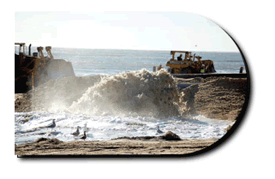
This can create beaches to dissipate, making them ineffective for beach goers. Generally, seawalls can be a successful method to regulate seaside erosion, however just if they are built well and out of materials that can hold up against the force of continuous wave power.
Getting The Shore Protect Team To Work
Combined with a high building and construction cost, this has brought about raising use various other soft design coastal management options such as coastline replenishment. Seawalls are constructed from various materials, the majority of commonly reinforced concrete, rocks, steel, or gabions. Other possible building materials include vinyl, timber, aluminum, fiberglass composite, and biodegradable sandbags made of jute and coir. The appropriate seawall layout relies upon location-specific elements, including bordering disintegration processes. There are 3 primary kinds of seawalls: vertical, curved, tipped, and mounds (see table listed below). A report released by the United Nations Atmosphere Program (UNEP) recommends that the tsunami of 26 December 2004 created less damage in the locations where natural barriers existed, such as mangroves, reef or seaside vegetation.
All-natural barriers, such as coral reefs and mangrove forests, protect against the spread of tidal waves and the circulation of coastal waters and reduced the flood and surge of water. A cost-benefit technique is an efficient way to establish whether a seawall is suitable and whether the advantages are worth the cost.
More About Shore Protect Team
A seawall is a static feature which can conflict with the vibrant nature of the coast and restrain the exchange of sediment in between land and sea. Benefits and disadvantages of seawalls according to Short (1999) Advantages Negative aspects Lengthy term option in comparison to soft coastline nourishment.

This can cause coastlines to dissipate, providing them useless for beach goers. Generally, seawalls can be an effective means to control seaside disintegration, but only if they are built well and out of materials that can endure the pressure of continuous wave energy.